
Insurance vs. Cash-Pay Performance Physical Therapy in New York City: What's Best for You?
If you're an active New Yorker dealing with chronic pain, a stubborn injury, or a performance plateau, you've probably started researching physical therapy options. And pretty quickly, you run into a pivotal question: do you go the insurance route, or do you choose a cash-pay provider? The answer isn't one-size-fits-all. It depends on what you value, what your goals are, and the type of care you're looking for. This article breaks down both models honestly so you can make the most informed decision for your recovery and your lifestyle.
How Insurance-Based Physical Therapy Typically Works
Insurance-based PT can seem like the obvious first step, especially when you've already paid into a health plan. In-network providers bill your insurer directly, and you're responsible for co-pays, deductibles, and whatever your plan covers.
However, the structure of insurance-based care comes with real constraints that affect the quality of your sessions. Because reimbursement rates are fixed and often low, many clinics manage their volume by double-booking patients and keeping sessions short, typically 20 to 30 minutes of hands-on time with a therapist. Aides and technicians often handle portions of your visit.
For straightforward, acute injuries, this model can be adequate. But for complex, chronic, or performance-related conditions, many active adults find that the care feels rushed, generic, and focused on managing symptoms rather than solving the underlying problem.
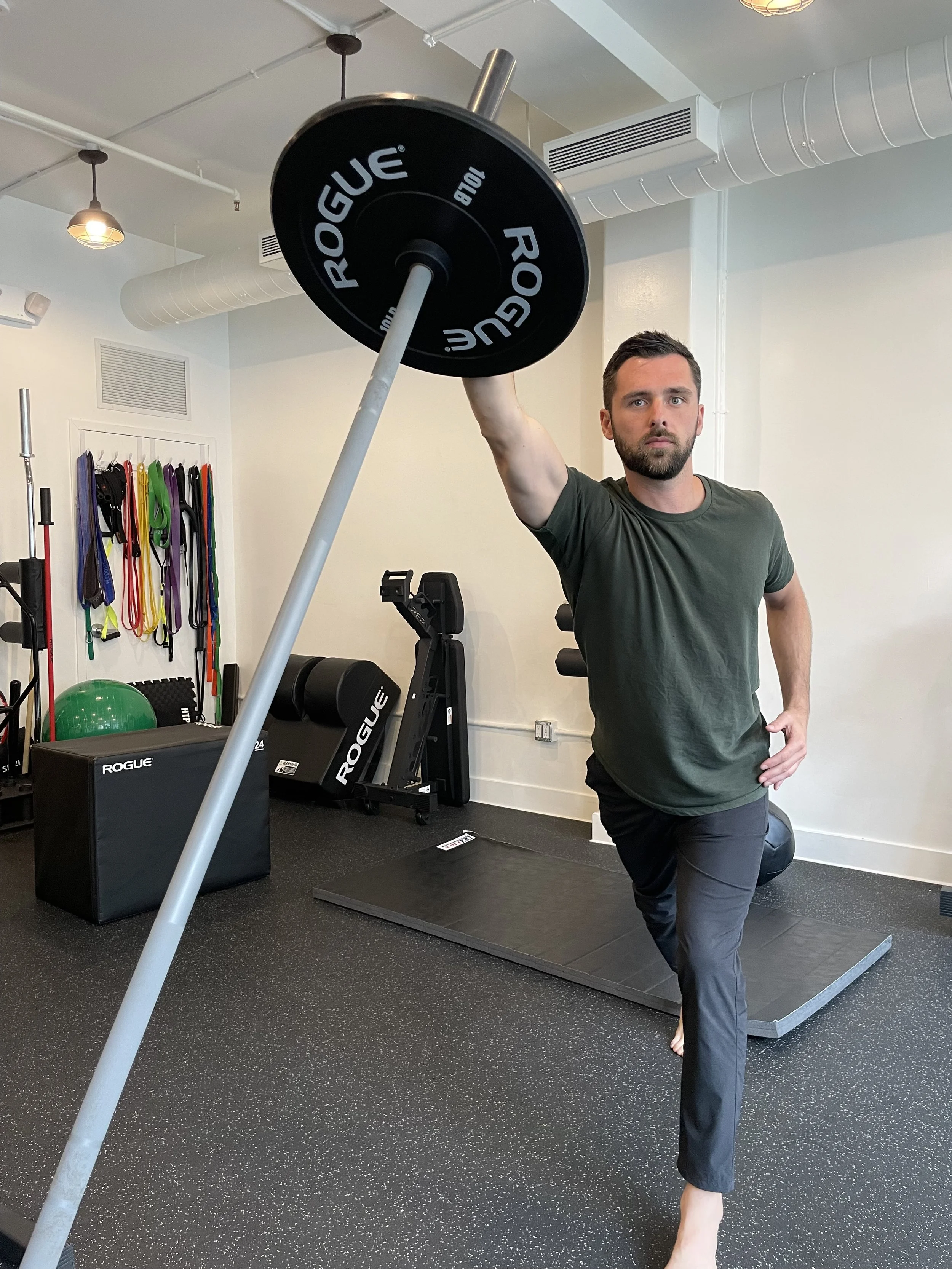
What Cash-Pay Physical Therapy Offers That Insurance Cannot
Cash-pay, or out-of-network physical therapy, operates differently from the ground up. Without insurance dictating session length, frequency, or treatment protocols, your clinician has the freedom to build a plan entirely around your needs.
Here's what that typically looks like in practice:
Extended, one-on-one sessions: At Zero Point One Physical Therapy, every session runs 60 to 90 minutes with your clinician, start to finish. No double-booking, no hand-offs to aides.
Holistic, root-cause assessment: Rather than treating the site of pain in isolation, a full-body evaluation identifies why the problem is happening in the first place.
Personalized treatment planning: Your history, lifestyle, activity level, and goals shape every decision, not a standardized protocol.
Direct access: In New York State, you do not need a doctor's referral to begin physical therapy. You can start immediately, on your terms.
For high-performing individuals who have already tried conventional PT without lasting results, this model is often the turning point.
The Zero Point One Physical Therapy Difference: Advanced Credentials, Complex Cases
Not all cash-pay clinics are the same. What sets a truly exceptional provider apart is the depth of clinical expertise behind your care.
At Zero Point One Physical Therapy, founder YJ Cho holds a Doctorate in Physical Therapy (DPT), is Certified in Functional Manual Therapy (CFMT), holds PNF Level 5 certification, and completed multiple residencies and a fellowship. These credentials place him among the most advanced practicing clinicians in the field.
This level of training matters most when you're dealing with:
Chronic pain that hasn't responded to previous treatment
Complex orthopedic conditions such as hip impingement, labral tears, or rotator cuff injuries
Performance goals such as return to running, return to sport, or injury prevention
Cases where injections or surgery have been suggested but you want to exhaust conservative options first
The approach at Zero Point One Physical Therapy combines advanced manual therapy, including myofascial release and joint mobilization, with posture and movement retraining. This isn't about temporary relief. It's about creating lasting, structural change.

Understanding the Out-of-Network Model and FSA/HSA
Choosing a cash-pay provider doesn't necessarily mean losing all benefit from your health plan. Zero Point One Physical Therapy operates on an out-of-network, fee-for-service basis and files claims as a courtesy on your behalf. Depending on your plan's out-of-network benefits, you may be eligible for partial reimbursement.
Additionally, FSA (Flexible Spending Account) and HSA (Health Savings Account) funds are accepted, giving you a tax-advantaged way to invest in your physical health.
This model gives you full transparency and control. You know exactly what you're getting every session, and your care is never cut short because of a billing code.
Which Model Is Right for You?
The right choice comes down to your goals and what you need from your care. Ask yourself:
Have previous treatments addressed your symptoms but not solved the underlying problem?
Do you want a clinician who knows your full history and is with you every minute of every session?
Are you working toward a specific performance outcome, not just pain reduction?
Are you willing to be an active participant in a more comprehensive recovery process?
If you answered yes to most of these, a cash-pay, out-of-network model built around performance physical therapy in New York City is likely the better fit. For those with straightforward, acute injuries and strong in-network coverage, traditional PT may serve them well. But for active adults who demand more from their care, the personalized approach delivers results that the insurance model structurally cannot.
Take the Next Step Toward Real Results
If you're ready to move past symptom management and get to the root of what's holding you back, Zero Point One Physical Therapy is here for you. Located in the heart of NoMad and Flatiron in New York City, the team specializes in complex, chronic, and performance-related cases where other approaches have fallen short.
You don't need a referral to get started. Explore our physical therapy services and learn more about our approach, then take the first step toward getting back to the life and the activities you love. Contact us today to schedule your first session.